
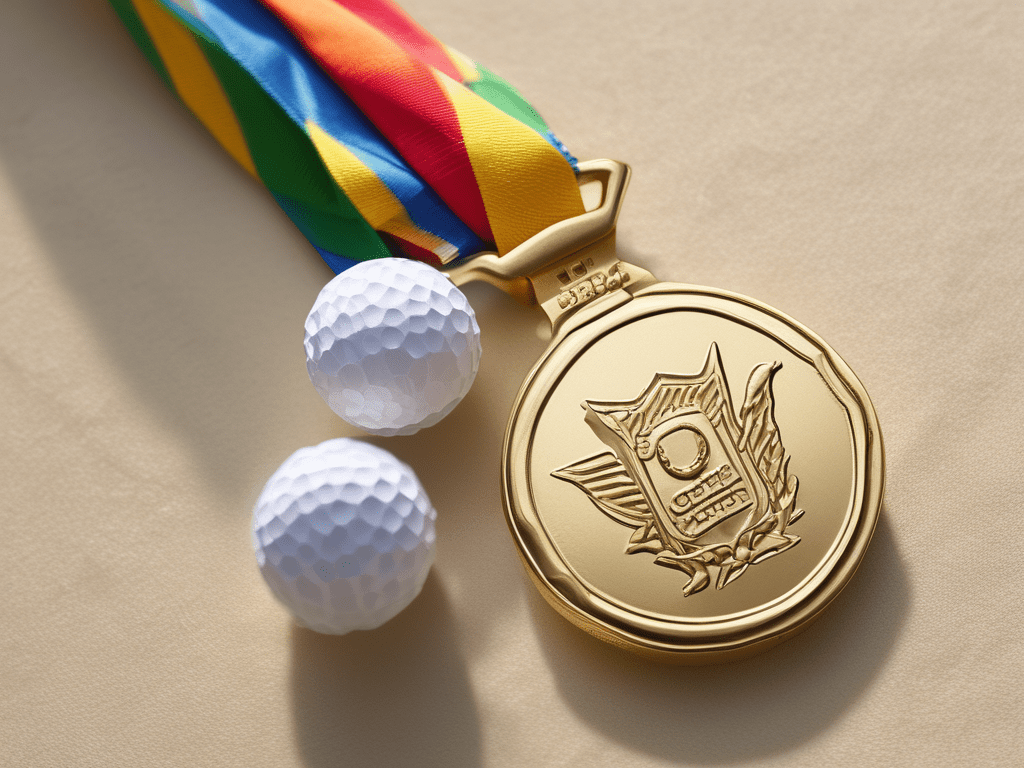
Many people, like myself, questioned why golf is an Olympic sport, but the performances of the best players in the world have proved why it belongs on one of sports biggest stages.
Embed from Getty ImagesLast week, Scottie Scheffler won the men’s Olympic gold medal for the United States, whilst Lydia Ko secured gold for New Zealand in the women’s event.
Scheffler finished 19-under-par after producing an equalling course record of 62 in the final round around Le Golf National. Lydia Ko remained consistent all week, finishing 10-under-par.
Silver and Bronze for the men went to Great Britain’s, Tommy Fleetwood and Japan’s Hideki Matsuyama respectively, whilst Esther Henseleit of Germany won the silver medal in the women’s event, and China’s Janet Lin Xiyu secured bronze.
Embed from Getty ImagesIn golf, the focus is usually on the eventual winner, and rightly so. While I don’t want to take anything away from the performances of Scheffler and Ko, it was refreshing to watch a tournament where there was more at stake than just first place. The battles on the course for those aiming to secure a medal were compelling. Typically, we see two or three players competing for the top spot, but the Olympics offered something more—a chance for those further down the leaderboard to chase a medal for their country.
The Olympics offered something beyond the millions a golfer might earn—it provided the rare opportunity to represent one’s country, which is uncommon in golf outside of events like the Ryder Cup and Solheim Cup.
You could see the impact of that emotion and added pressure on the players as they represented their countries on one of the world’s biggest stages. The emotional moments from both Scheffler and Ko as they stood tall on the podium, gold medals around their necks and national anthems playing, were powerful to witness.
Before these tournaments, many might have argued that golf didn’t need to be part of the Olympic Games. It’s not typically a sport people associate with the Olympics, and with millions of viewers tuning in for majors and events on the PGA and European Tours, golf certainly doesn’t rely on the Olympics for growth. However, Paris 2024 demonstrated that golf not only belongs in the Olympic Games, but it also enhances the competition and brings something unique to the event.
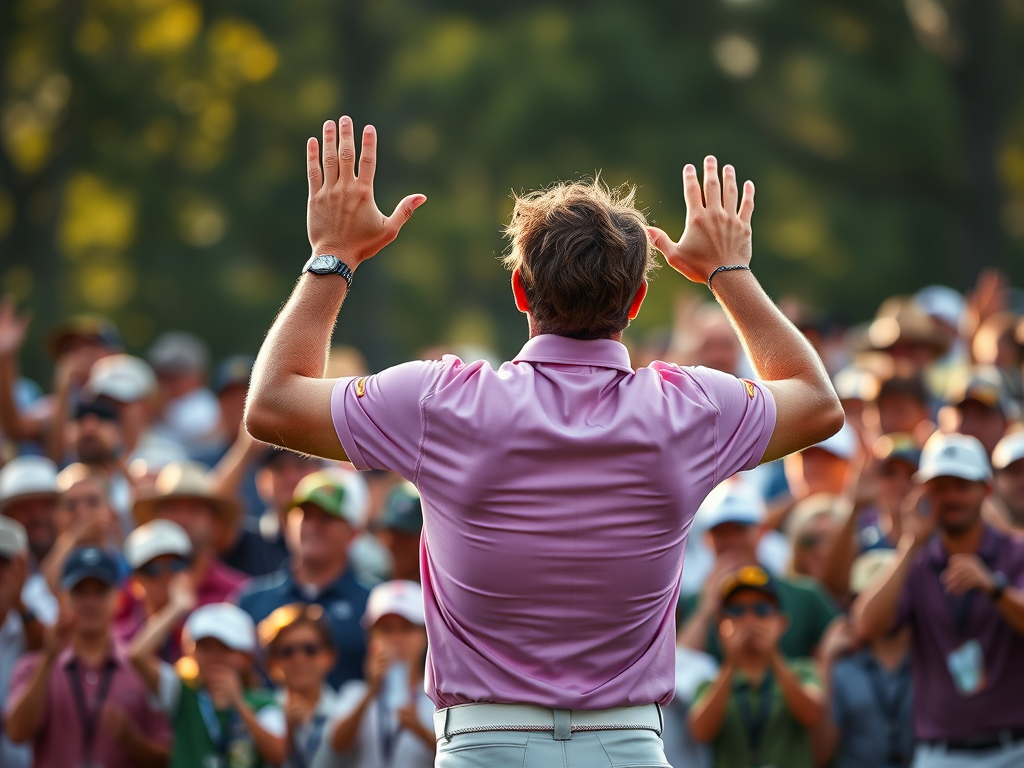
The crowds were out in force for both the men’s and women’s events, thousands of spectators lined Le Golf National for all eight days. Rory McIlroy who came close to his first Olympic medal finishing 5th said:
“Unbelievable. It was surprising. With so many events going on spread all across the city, for people to venture out here and to watch us play, it was a really cool atmosphere to play in.”
The world number one women’s golfer, Nelly Korda said:
“The atmosphere was insane. I’ve heard a few roars, and it’s been an amazing experience. On the first tee, I looked out to the green and saw four people deep and I was like, oh my gosh, this is absolutely amazing.”
Embed from Getty ImagesThis raises an intriguing question: could golf finally introduce a World Tour? Imagine the best players in the world traveling to courses across the globe, rather than the majority of events being centered in the United States. Perhaps that’s a discussion for another day.
Even the format of this year’s Olympic golf tournament proved me wrong. Initially, I was against the traditional 72-hole stroke play format, hoping instead for something different—a break from the norm. Most golf fans would agree that one of the best aspects of the Ryder Cup and Solheim Cup is the match play format. Imagine Olympic golf adopting a match play knockout system, with crowds following a gold medal match between Rory McIlroy and Scottie Scheffler, or Nelly Korda and Charley Hull.
We’ve seen mixed events in the Olympics before, so could golf incorporate a match-play team format? Picture Great Britain’s Matt Fitzpatrick teaming up with Georgia Hall to take on Australia’s sibling duo, Min Woo Lee and Minjee Lee. It’s an idea the IOC could consider, though this year’s traditional stroke play format certainly delivered excitement.
While some might argue that a gold medal in golf isn’t the pinnacle of the sport—pointing to achievements like winning the Masters or the AIG Women’s Open as more prestigious—the scenes we’ve witnessed this week have shown that golf’s presence in the Olympic Games holds more significance than many initially thought.
Let’s hope the world of golf can take something valuable from these past two weeks—the passion, the drama, the electric crowds—a formula we’d love to see week in and week out, rather than the current divide in the golfing world. After the excitement of this week, I believe many more people will be eagerly anticipating golf in the Olympic Games in LA in 2028.




 Swing and Hope
Leave a reply to keghansoliz Cancel reply